
Forex Regulations 101: Who Controls Foreign Exchange Brokers?
- Forex Trading
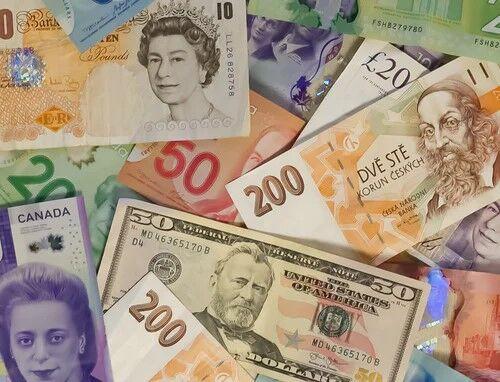
In 1971, when President Richard Nixon allowed the US dollar to float freely against other currencies, he effectively created the modern-day forex market. Investors realized that there was money to be made from fluctuations in currency markets, by buying low and selling high.
Two more recent developments have helped to make forex the most popular market in the world. First, the internet has made forex trading incredibly accessible, quick, and easy. And secondly, increasing globalization has opened up many new markets and new opportunities.
Whether you’re a government treasury, financial institution, billionaire speculator, or individual trader, the principles behind forex are the same. Foreign exchange is simply the transfer of currency from one party to another, at a mutually agreeable price. And the way to make money on forex is equally simple: buy a currency when it’s low in value, and sell it when it’s high.
There are various more sophisticated takes on the forex market (spot markets, forward markets, future markets, options markets, swaps markets, and so on) – but the basic principles remain the same in all cases.
The ultimate example of forex trading was George Soros, who allegedly made over $1 billion by betting against the value of the pound back in 1992. Soros made his fortune in this case by shorting, a practice where you sell a currency with the intention of repurchasing it later at a lower price.
THE VITAL ROLE OF FOREX REGULATION
Before you invest a single red cent in forex, you should check out the website of your national financial regulator. And even if you’re an experienced trader, you should regularly do the same. Regulators are the definitive source of information on the latest scams, and have practical advice to help you stay safe.
They are now reporting an ever-increasing number of scams. This only serves to underline the importance of national authorities who police the markets and protect investors. They ensure that brokers do business within the rules, and should something go wrong, at least you have some form of comeback.
Regulators can provide you a register of authorized firms, and, perhaps more crucially, a warning list of companies to avoid.
If you have any doubts about the importance of foreign exchange regulation and forex regulatory bodies, speak to someone who has had a bad experience with an unregulated broker. After that conversation, you will only ever work with a company with a forex license!
CORE FOREX REGULATORY BODIES
latest statistics from the Bank of International Settlements make for interesting reading. According to their figures, trades in the UK make up a huge 43% of the overall forex market. The next biggest player is the USA (16.5%), followed by Singapore (7.7%) and Hong Kong (7.6%).
Perhaps unsurprisingly, the dollar is overwhelmingly the most popular choice, followed by the Euro, Yen and Pound. These four form the most popular currency pairings, so let’s take a look at who’s responsible for forex regulation and control in each of those jurisdictions.
- UK: Financial Conduct Authority (FCA)
- USA: The National Futures Association (NFA) Commodity Futures Trading Commission (CFTC)
- Singapore: Monetary Authority of Singapore (MAS)
- Hong Kong: Hong Kong Securities And Futures Commission (HKSFC)
- EU: the EU directive Markets in Financial Instruments Directive (MiFID)
- Japan: Financial Services Agency (FSA).
It goes without saying that if you’re trading in the above countries, you should only ever work with companies that are registered with the relevant forex regulatory bodies. If you’re trading in other countries, always make sure you follow the same advice.
THE CRITICAL IMPORTANCE OF AVOIDING UNREGULATED FOREX BROKERS
Some forex scammers have conned investors by registering in lightly-regulated countries, or by falsely claiming to be registered overseas. Other common tactics include Ponzi schemes offering unreal returns, the promise of guaranteed profits, cloned copies of genuine websites, and false celebrity endorsements. Investors are mindful of these cons … yet every year, people still fall for them.
A recent example in the US is Black Diamond Forex, where bogus trader Michael Salerno ran a variety of scams, including what was effectively a Ponzi scheme. Somewhat surprisingly given his criminal background, Salerno’s company Black Diamond was actually registered with the CFTC, but at least his victims were able to seek some form of restitution, and have the satisfaction of seeing the perpetrator jailed and banned.
There are no such provisions if you use an unregistered broker. You wouldn’t trust your healthcare to an unregulated doctor, so why would you trust your hard-earned cash to an unregulated broker?
WHAT TO DO IF YOU’VE BEEN SCAMMED BY AN UNREGULATED FOREX BROKER
If you’ve been scammed by an unregulated forex broker, you may believe that you have no comeback whatsoever. However, there may be one last chance for you, in the form of firms offering specialist fund recovery services.
These professionals have an impressive track record in helping victims of scammers to get their money back. Companies like Payback employ experienced financial and legal experts, and they know exactly what to do when faced with unregulated forex brokers. They can often succeed where other approaches have failed. If you’ve been a victim of forex crime, you should definitely give them a try.